Skip to content
FLINTINSURANCE RECOVERYLet’s talk
FLINTINSURANCE RECOVERY
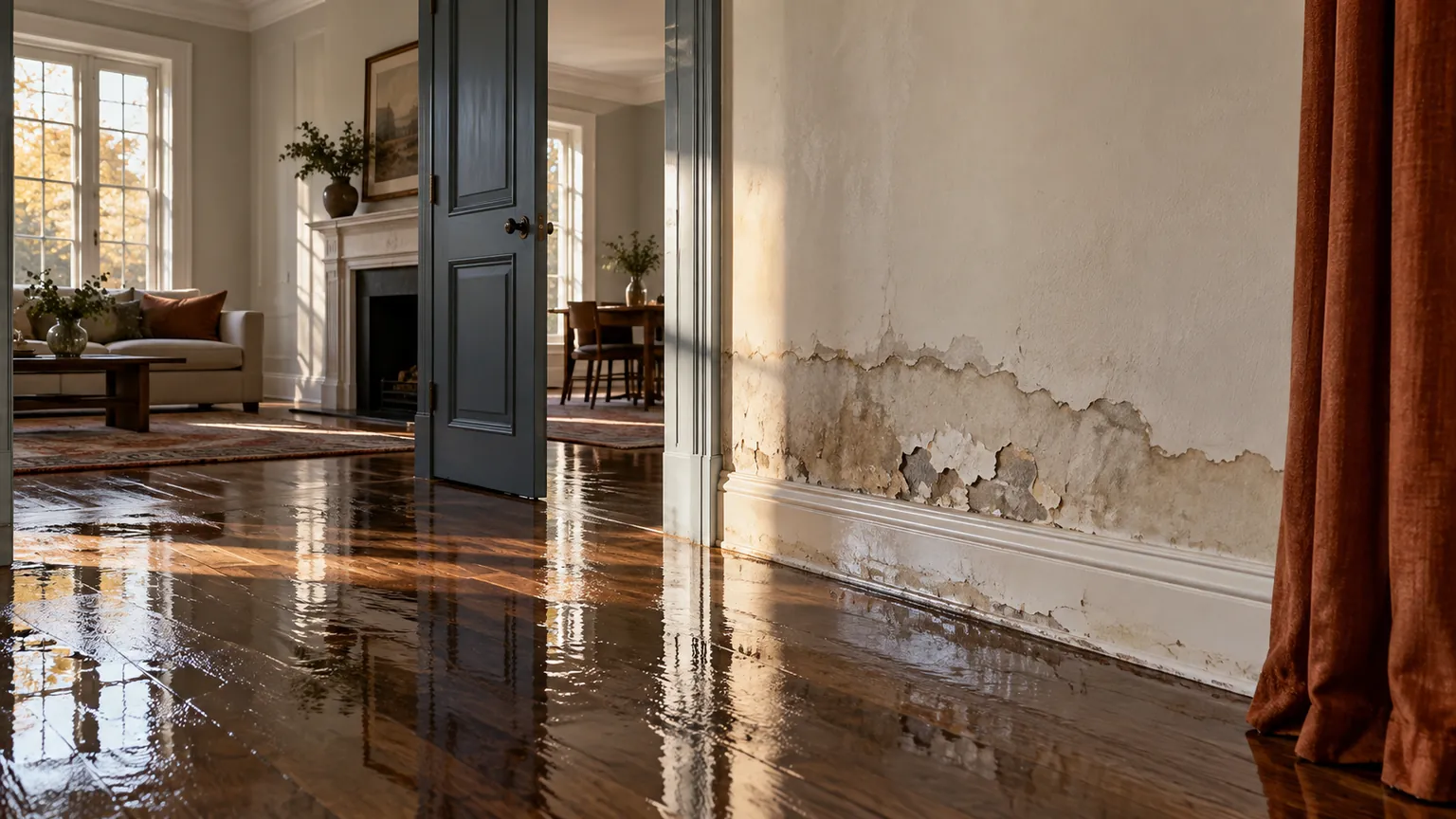
Sunlight across a water-damaged plaster wall and wet oak floor
PROPERTY LOSSES. DISPUTED CLAIMS.

When the damage is real,
the details matter.

Insurance recovery counsel for property losses and disputed claims. Bring the policy, the record, and the questions that remain.

Discuss your claim Explore our focus
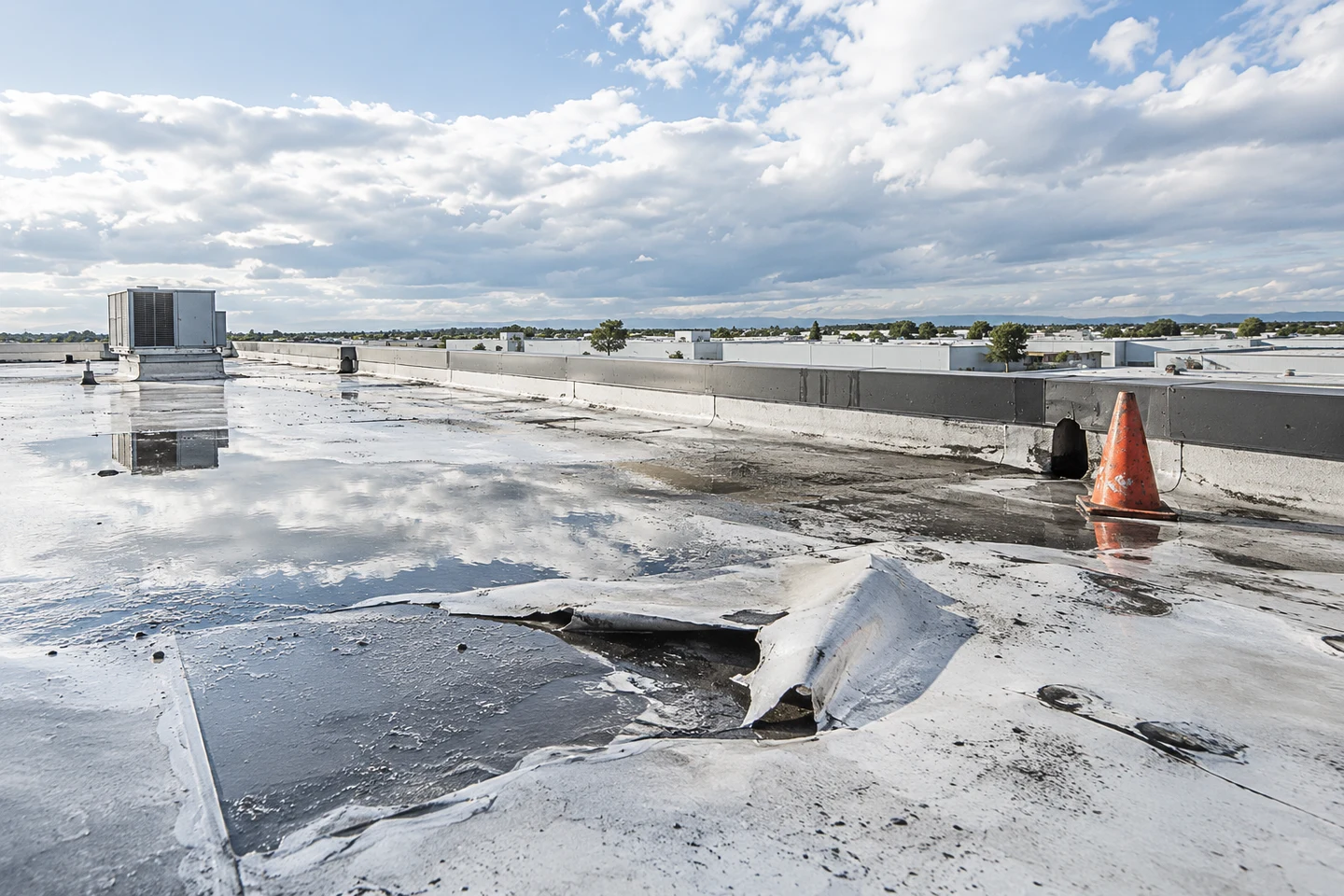
Storm damage and shallow standing water on a commercial rooftop
01The roof.
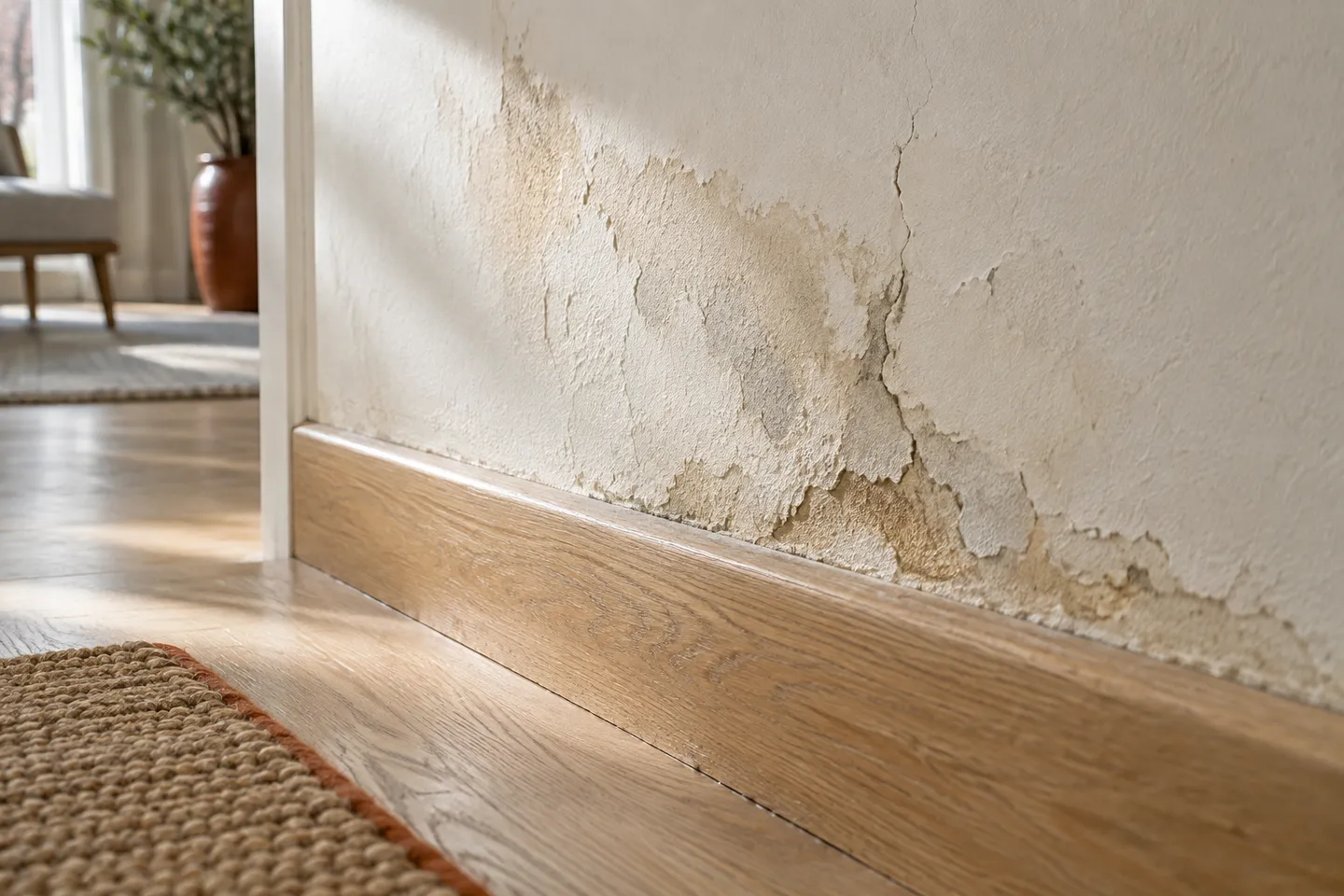
Water-stained plaster meeting an oak skirting board
02The material.
An estimate folder in the foreground of a water-damaged room
03The record.

The details deserve
a closer look.

A damaged space holds more than one kind of record. Keep the overall view, the close detail and the documents together.

Explore the claim file ↗
01 / OUR FOCUS

A claim has more
than one question.

Start with the part of the record that needs attention.

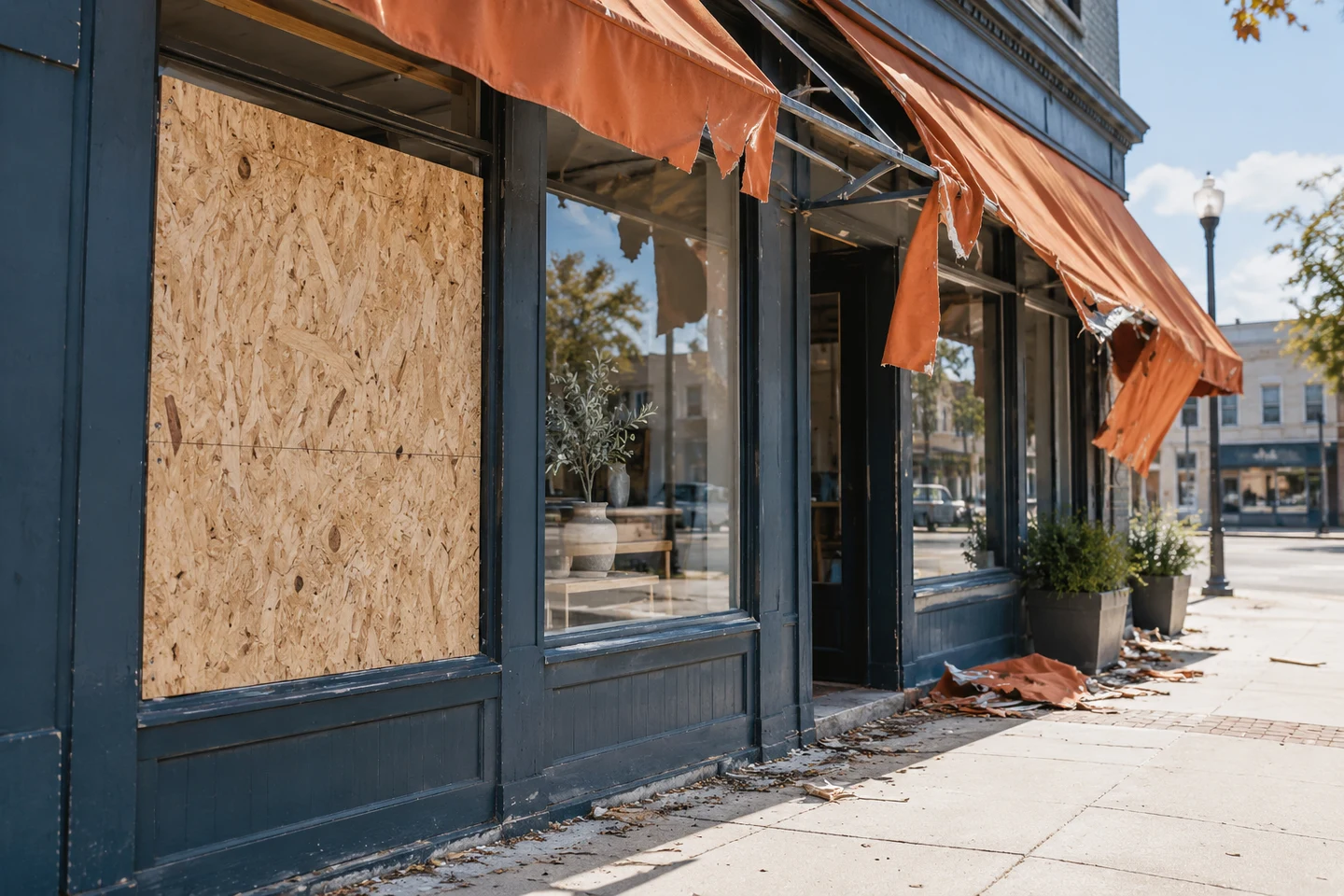
An exterior view of a storm-damaged shopfront in daylight
Property damage

Understand the loss, the policy language, and the record of repair.

  • Policy and endorsements
  • Damage photographs
  • Estimates and invoices
The edge of a closed policy binder with indexed tabs
Coverage disputes

Put the insurer’s position beside the policy and the communications that led to it.

  • Coverage correspondence
  • Policy wording
  • Dated communications
An empty shuttered retail interior with packed stock
Business interruption

Organize the business records behind the interruption and the assumptions that need examination.

  • Operating records
  • Expense documentation
  • Event timeline
A CLEARER STARTING POINT

The record is
where we begin.

A useful claim file connects what happened with what was recorded. We help bring those materials into a coherent conversation.

  1. 01

    Event

  2. 02

    Documentation

  3. 03

    Correspondence

  4. 04

    Open questions

A record structure, not a case history.

Two people listening across a bright meeting-room table
ACROSS THE TABLE

Meet the team.

A claim file still
begins with a person.

Start with what happened, what has been received and what remains unclear. A useful conversation gives each part room.

  • Understanding the file.
  • Examining the policy.
  • Discussing the next question.
Arrange a conversation ↗
02 / OUR APPROACH

From scattered documents
to a clearer position.

A considered approach to the material behind a claim.

01THE APPROACH

Read the whole file.

Start with the policy, endorsements, claim correspondence, and the loss record.

The complete policy folder prepared for review
02THE APPROACH

Follow the sequence.

Connect documents to events, separate facts from assumptions, and identify the questions still open.
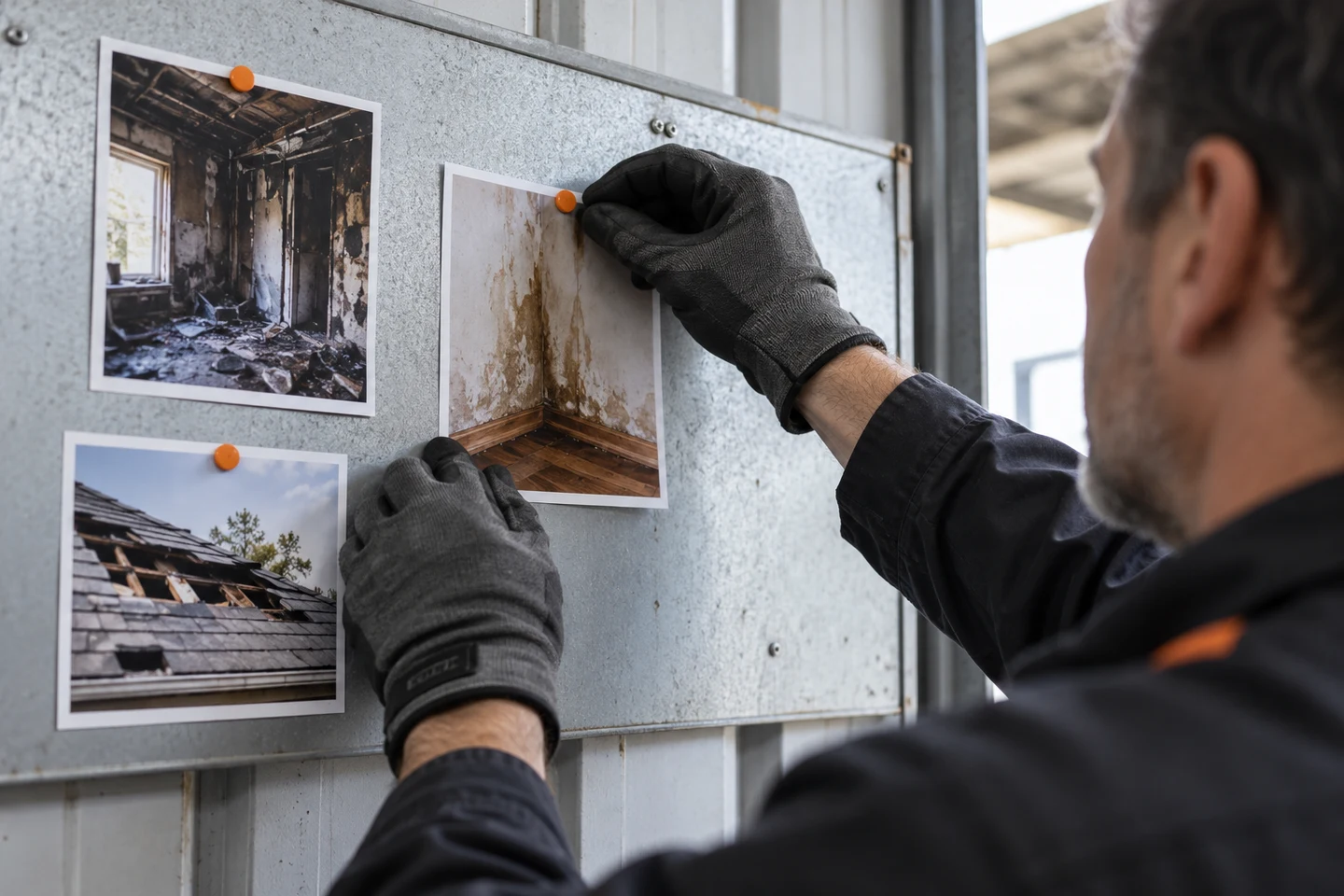
Hands sorting damage photographs on an inspection bench
03THE APPROACH

Discuss the next decision.

Put the record in context so the legal conversation can focus on the choices ahead.

A standing conversation in a repair workshop
Before drawing a conclusion

Check the connection.

  1. 01

    The event

    What happened?

  2. 02

    The wording

    What does the policy say?

  3. 03

    The gap

    What is still unanswered?

KEEP THE EXCHANGE TOGETHER

One exchange rarely
tells the whole story.

Keep requests, responses and attachments in the same sequence.

Get the claim-file guide ↗
01What was requested?An email interface on a laptop beside a bright window

Keep the request and its date.

02What was sent?A hand checking a document enclosure list

Retain the response and the documents included.

03What remains open?An envelope and open notebook

Note unanswered questions without filling the gaps.

Legal professionals organizing claim documents in a bright office
THE WORK BEHIND THE CONVERSATION

Careful work.
A human conversation.

A damaged property can leave a complicated paper trail. The first conversation should make that trail easier to navigate.

Keep the record honest

An unanswered question belongs in the file, too.

Leave room for what still needs to be understood.

A total needs
its context.

Descriptions, quantities and assumptions help explain what an estimate includes.
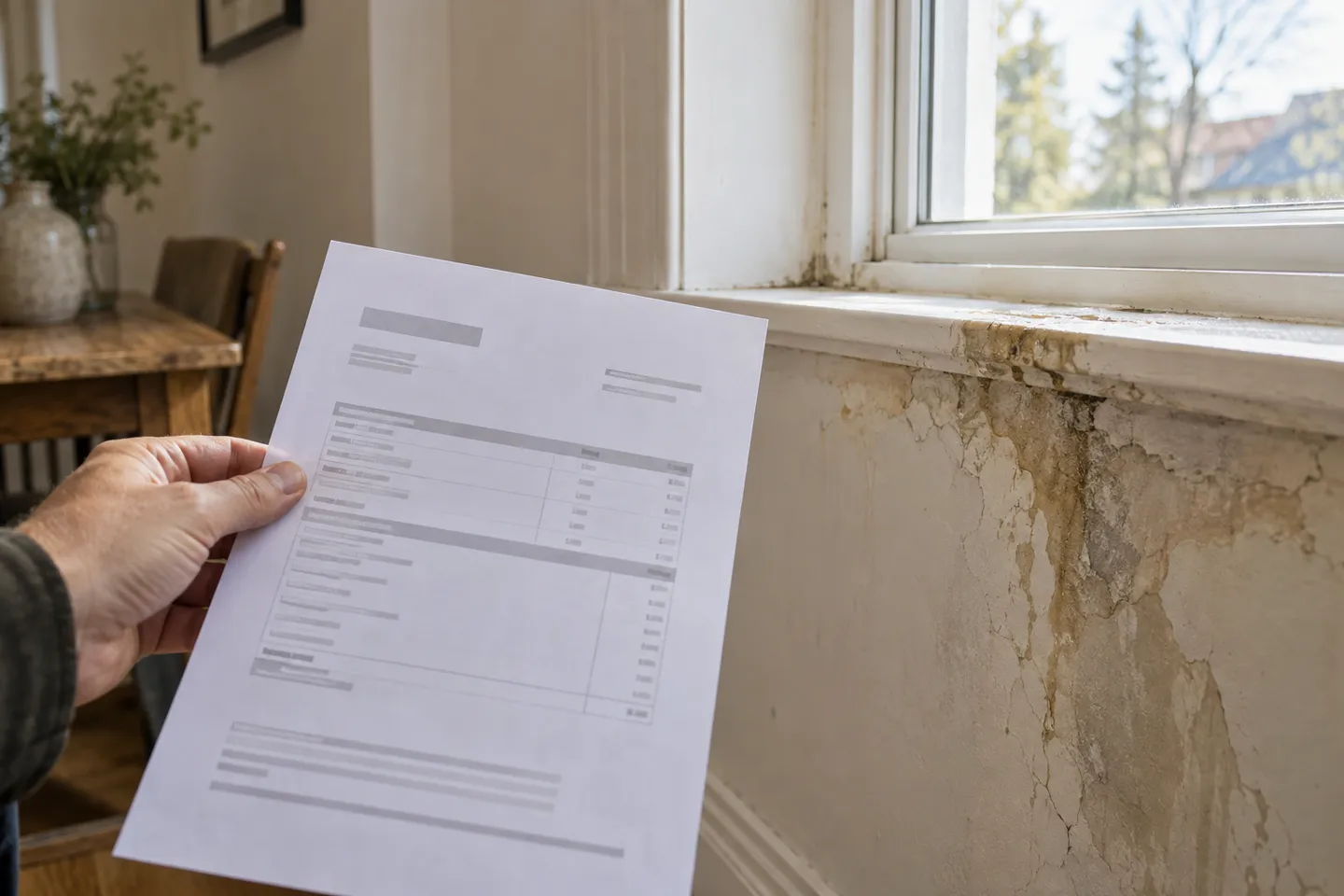
An estimate held beside a water-stained window reveal
The line itemThe supporting question

A reading framework, not a claim valuation.

Discuss the documents ↗
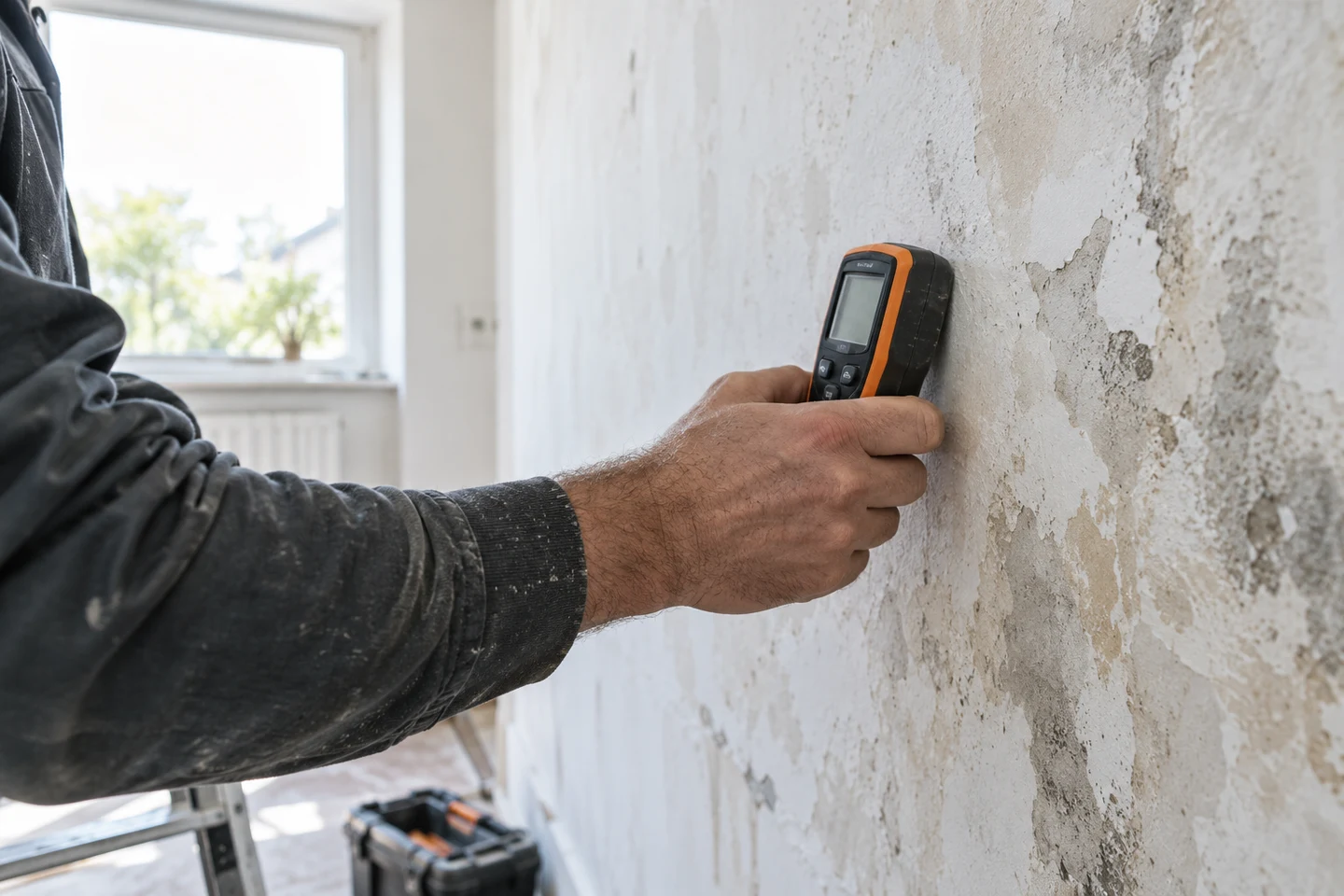
A hand holding a moisture meter against damaged plasterMAKE ROOM FOR THE QUESTIONS.
BEFORE WE SPEAK

A few practical
starting points.

What should I bring?

A copy of the policy, correspondence, and the documents already available is a useful starting point.

Do I need a complete file?

You can begin by identifying what you have and what is missing. Keep original records where possible.

Can this website tell me whether my claim is covered?

No. Coverage and available options depend on the policy, facts, and applicable law. A legal review is specific to the matter.

Two useful distinctions

A fact. An assumption.

A fact.Keep what the record shows.

An assumption.Flag what needs checking.

You can begin
with the file you have.

Gather the policy, the communications and the questions. Gaps in the file are useful to identify, too.

Start with your question ↗
03 / A FIRST CONVERSATION

Let’s start with
what happened.

Bring the record you have. We can begin with the questions it raises.

Tell Flint Insurance Recovery what needs attention, and find a practical starting point.

Arrange a conversation

Please avoid sending confidential information before an engagement is agreed.
A single listener seen in profile in a bright office
A useful little read · 10 pages

A clearer claim file

A practical guide to organizing the records behind an insurance claim.
Your guide is emailed whether or not you tick the box. Privacy policy.

Read the contents
  1. Read the policy as a whole
  2. Build a dated event record
  3. Preserve damage documentation
  4. Keep estimates and invoices together
  5. Track insurer communications
  6. Separate facts from open questions
  7. Prepare for a focused legal conversation
  8. Your claim-file checklist