
Is a Loyalty Program Worth It for My Small Business?
A loyalty program is worth it only if you have repeat-purchase potential and good margins. Here's how to tell, and how to start simple.

Evolvv Strategies
Operator notes
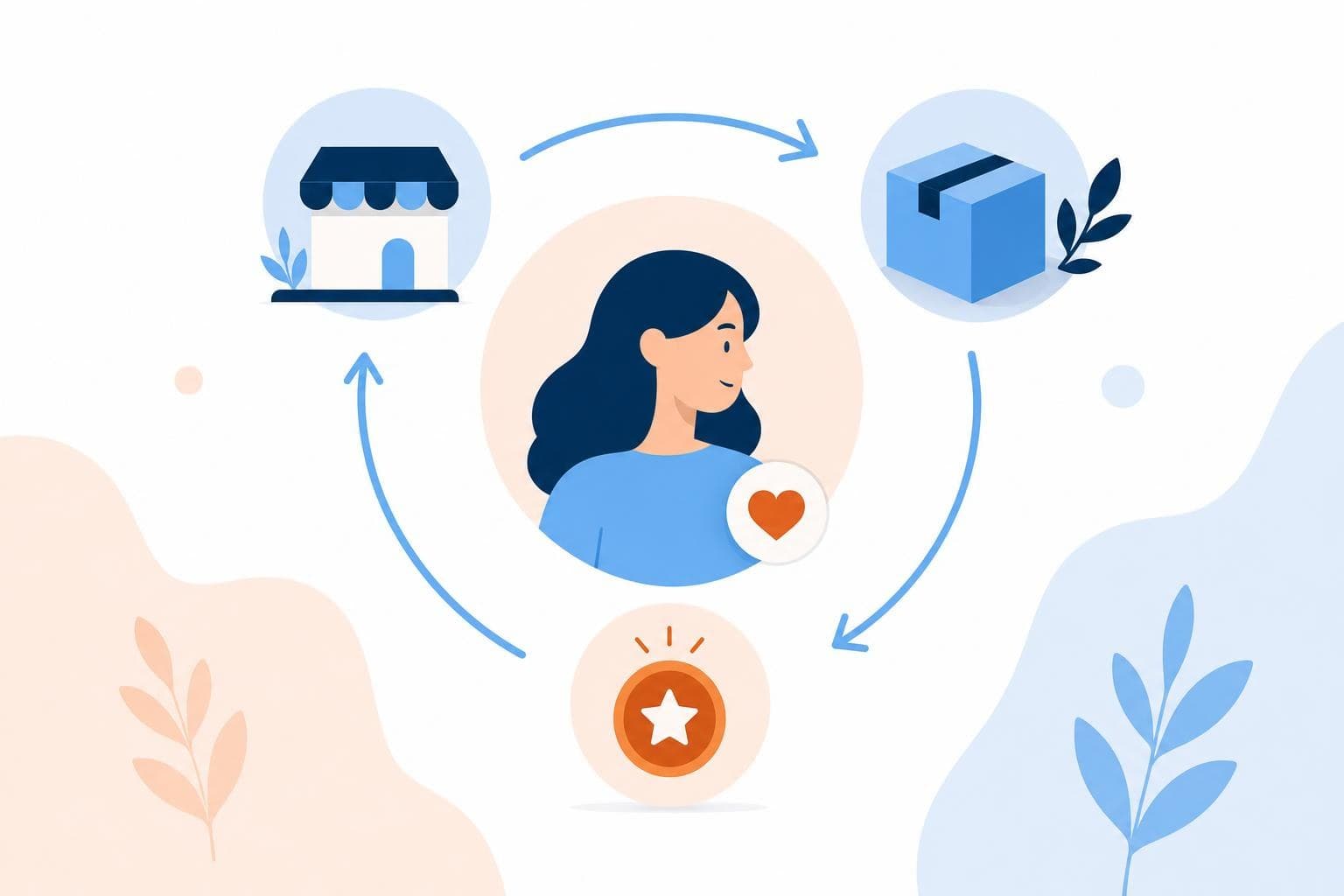
A loyalty program is worth it when your customers can realistically buy from you again and your margins can fund a small reward. If both are true, even a simple punch card or points system lifts repeat purchases. If people buy from you once a decade, skip it — your money belongs in acquisition, not retention.
Loyalty programs get oversold. Every POS vendor wants you to bolt one on. But a program that rewards behavior people already do, or that you can't afford, quietly loses money while feeling productive.
So the real question isn't 'should I have one?' It's 'do the numbers and the buying pattern actually support one?'
When a loyalty program makes sense
Loyalty rewards repeat behavior, so it only works when repeat behavior is possible and valuable. A coffee shop, a salon, a pet store, a subscription tool — great candidates. A roofer or a wedding photographer — usually not, because people don't re-roof every month.
The second test is margin. A reward has to come out of your profit. If you're already thin, discounting loyal customers can cost you more than it brings back. The fix is to reward with things that cost you little but feel valuable — early access, a free add-on, status — instead of straight cash off.
Don't pay people to do what they'd do anyway. Pay them to do more, sooner.
The four-question test
Before you build anything, answer these honestly:
- Can they buy again? Is repeat purchase a natural part of what you sell, or a once-in-years event?
- Will a reward change behavior? Would a perk actually make someone come back sooner or spend more, or just discount loyalty you already had?
- Can your margin fund it? Does the math still work after the reward, including the customers who'd have returned anyway?
- Can you run it without friction? Is it dead simple for both your team and your customer, or will it die from complexity?
Four yeses means build it. Two or three means simplify the idea. Zero or one means your money is better spent getting new customers in the door.
Start with the simplest version that works
If you pass the test, resist the urge to launch an app. The best first loyalty program is almost always the most boring one: buy ten, get one free, or points that turn into a clear perk. Simple programs get used; clever ones get forgotten.
When I ran a business with regular repeat customers, we tested a tiered points app against a plain 'every 10th visit is on us' card. The card won. It cost less, customers understood it instantly, and redemption was double. We'd assumed sophistication would impress people. It just confused them. The lesson stuck: make the reward obvious, make earning it feel close, and get out of the way.
Quick wins you can try this week
- Run the four-question test on your business and write down a yes or no for each.
- Check your repeat-purchase rate — what share of customers buy a second time?
- Sketch the simplest possible reward (buy X, get Y) before considering any software.
- Pick one low-cost, high-perceived-value perk to offer loyal customers instead of cash discounts.
- Ask three regulars what would actually make them come back sooner.
FAQ
What kinds of businesses should not run a loyalty program?
Businesses where customers buy rarely — roofers, photographers, movers, most big one-time purchases. If a typical customer won't buy again for years, a loyalty program rewards behavior that won't happen on a useful timeline. That money is better spent winning new customers and earning referrals.
Are points better than a punch card?
Not automatically. Points feel flexible but can confuse customers and hide the reward. A simple punch card or 'buy 10, get 1' is instantly understandable and often drives more redemptions. Start with the simplest format your customers will grasp at a glance, and only add complexity if it clearly earns its keep.
How do I run a loyalty program without hurting my margins?
Reward with things that cost you little but feel valuable: early access, a free add-on, members-only perks, or status rather than cash discounts. Cap the reward at a level your margin comfortably funds, and account for customers who'd have returned anyway. Loyalty should protect profit, not quietly drain it.
How do I know if my loyalty program is working?
Compare repeat-purchase rate and average spend before and after launch, and watch redemption. If repeat visits and spend rise while the reward stays affordable, it's working. If sign-ups are high but nobody redeems, the reward feels too far away — make earning it faster and clearer.
Not sure retention is even your bottleneck? A free Growth Audit shows whether your money belongs in loyalty or acquisition — and you can see how we work to build the right system.